You opened a bottle a few days ago, picked it up again today, and something’s off. Does it smell sharper and more vinegary than you remember?
If you’re wondering what to do with soured wine, we have good news: it’s not unusual, and it doesn’t necessarily mean you stored it wrongly. It’s a natural chemical reaction that sooner or later happens to every opened bottle. In this complete guide, you’ll find out why wine turns sour, how to spot it early using your senses, and clever, creative ways to put it to use in your everyday life instead of pouring it down the sink.
Why Does Wine Turn Sour After Opening?
In most cases, soured wine is the unavoidable result of the natural process of oxidation. As long as the bottle stays sealed, the liquid is protected from air. But as soon as the cork is removed, the open wine comes into direct and constant contact with oxygen.
That oxygen acts as a catalyst, activating acetic acid bacteria (such as Acetobacter and Gluconobacter) that are naturally present in the environment. These bacteria feed on the wine’s alcohol (ethanol) and gradually convert it into acetic acid, the very same compound that gives vinegar its sharp taste and pungent smell.
Factors that speed up oxidation:
- High temperature: Wine spoilage progresses about twice as fast at room temperature or in a warm environment, since heat encourages bacteria to multiply.
- Exposure to air: The less wine remains in the bottle, the more air fills the empty space, dramatically speeding up oxidation.
- Poor or loose closure: A cork simply pushed back in without a proper seal lets oxygen flow in and out freely.
- Low sulfite content: Wines without sulfites (natural or organic) or those with low levels of preservatives lack their natural “shield” and tend to oxidize much faster.
Note: An oxidized wine isn’t toxic or harmful to your health. It has simply lost its freshness, its fruity aromas, and its balanced flavor profile.
How to Tell Whether Your Wine Has Gone Sour (Signs)
You don’t need to be a sommelier to tell whether your wine has been affected by oxidation. The symptoms are clear and easy to detect using your senses:
- Aroma (Smell): Fresh fruit, floral, or spice aromas disappear. In their place comes a sharp smell reminiscent of vinegar, acetone (nail polish remover), or overripe, rotten apples.
- Taste (Palate): On the palate, the wine loses its structure and sweetness. A sharp, stinging, aggressive acidity takes over, leaving a dry, unpleasant aftertaste.
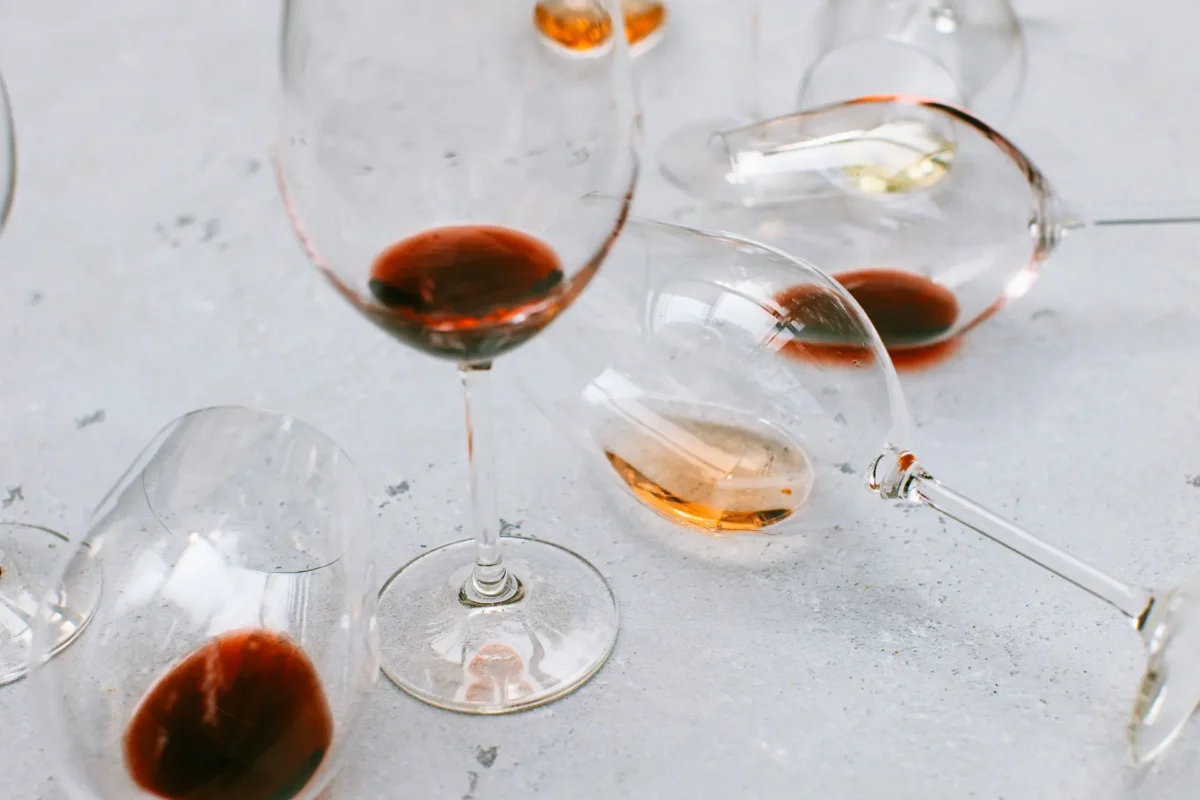
- Appearance (Sight): Exposure to oxygen changes the color of the liquid. White wines lose their bright, pale-golden shade and take on a dark, dull yellow or amber color. Rosé wines develop orange highlights, while red wines lose their vivid purple color and shift toward brown (brick-orange).
What Should I Do with Sour Wine? – 4 Clever Uses
Wine oxidation is an irreversible chemical process, so there’s no way to “rescue” the bottle and make it pleasant to drink from the glass again. However, since it isn’t harmful to the body, you can put it to clever use around the house:
- Taking your cooking up a notch: The extra acidity in the wine is a plus in the kitchen. Use it to deglaze sautéed meats (e.g., beef or pork cooked in wine), enrich a red tomato sauce, or add depth to a soup. The alcohol evaporates during cooking, leaving only the concentrated flavor behind.
- Making homemade vinegar: If you leave the soured wine in a glass jar covered with a piece of cheesecloth (so it can breathe without letting insects in) in a shady spot, within a few weeks you’ll have your own handmade, aromatic, high-quality vinegar for your salads.
- Marinating tough meats: The acids in wine break down the meat’s tough protein fibers. Mix the sour wine with herbs, olive oil, and garlic to make an excellent marinade that will leave the meat incredibly tender before cooking.
- Mild natural cleaner: The acidity of wine has mild antibacterial properties. Diluted with a little water, it can be used to clean glass surfaces, kitchen counters, or stainless steel cookware, removing limescale and stains.
Warning: If the wine doesn’t just smell vinegary but gives off a strong moldy smell, the problem isn’t oxidation but the cork (cork taint). In that case, the wine should be thrown out, since it will pass that unpleasant taste on to food as well.
How to Avoid Souring: Wine Storage Tips
Proper wine storage is the secret to slowing down oxidation and enjoying your bottle for several days after opening.
- Seal it right away: Don’t leave the bottle open on the table throughout the meal. Put the stopper back in as soon as you’ve poured each glass.
- Using special preservation accessories: Invest in a wine stopper. Vacuum stoppers remove the trapped air from the bottle, while carbon dioxide or argon systems create a protective layer over the liquid.
- Storing it in the fridge (for all wines): Put the opened bottle in the fridge right away. The low temperature drastically slows the chemical activity of acetic acid bacteria. This applies to red wine too: just take it out of the fridge 20-30 minutes before serving so it returns to the right temperature.
- Upright storage: Always store opened bottles standing upright. This minimizes the surface area of the wine that comes into contact with oxygen.
- Drink it in good time: Consume opened wine within 3-5 days. Sparkling wines and light whites are more delicate (1-3 days), while full-bodied reds and fortified wines last longer.
Where to Find Wines That Stand the Test of Time
The quality of the bottle, the wine’s structure, and a carefully managed production process all play a decisive role in how well a wine holds up after opening.
At Cava Kalomenidis, we select labels from top Greek and international vineyards with particular care. We offer wines with excellent flavor balance that keep their concentrated aromas even days after opening.